



Basic Visualization Techniques for Meditation Beginners

Chosen theme: Basic Visualization Techniques for Meditation Beginners. Begin seeing calm, not chasing it—discover simple, friendly imagery that steadies your breath, focuses your mind, and turns a few quiet minutes into a daily oasis you will actually look forward to.

How the mind responds to imagined scenes

Your brain often treats vivid imagery like lived experience, engaging attention networks and calming the stress response. For beginners, pictures feel easier than blank focus. Try a simple beach scene today and share how your breathing changed after two minutes of gentle imagining.

A beginner’s story: from scattered to serene

Maya started with three minutes of visualizing sunlit leaves after chaotic workdays. By week two, she felt steadier before meetings and slept more deeply. Her tip for you: exaggerate details—the rustle, the sparkle, the warmth—and comment which detail helped your focus most.

Set kind expectations and enjoy small wins

You do not need cinematic visuals—hints of color, shape, and sensation are enough. Celebrate twelve steady breaths, one clear image, or a softer jaw. Tell us your tiny win in the comments, and subscribe for weekly beginner-friendly practice prompts.

Preparing Your Canvas: Breath, Posture, and Setting

Inhale a cool blue for four counts, exhale a gentle gray for six. Let the colors expand and fade like slow tides. This color-breath pairing steadies attention, especially when starting out. Try it tonight and share how the exhale length influenced calm.

Preparing Your Canvas: Breath, Posture, and Setting

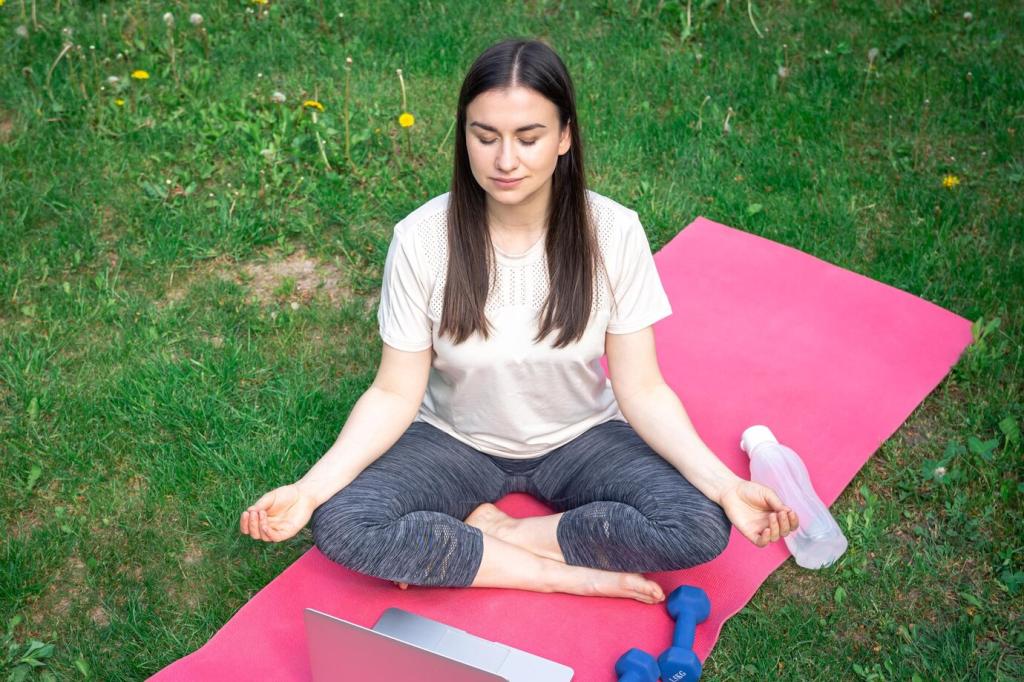
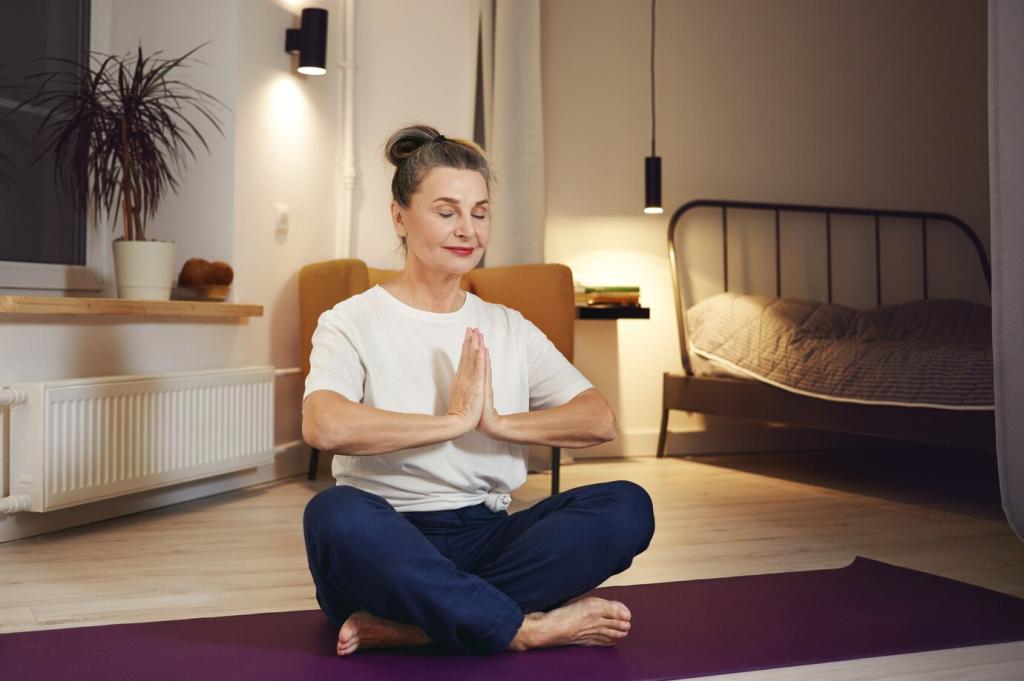
Sit tall but relaxed, imagine a soft thread lifting your crown, and rest your hands like warm stones. Micro-adjust until your chest feels open and your jaw unclenches. A friendly posture makes pictures brighter. What one adjustment made your mental images clearer today?

Core Visualization Techniques for Absolute Beginners

Safe place imagery, step by step

Close your eyes and picture a place where your shoulders drop—a lakeside, library, or sunny kitchen. Add sounds, temperature, and scent. Let colors saturate slowly. Visit daily for two minutes. Tell us which sense—sound, sight, or scent—made the safe place feel most real.

Golden light body scan

Imagine warm, golden light pouring from above your head to your toes, pausing wherever tension hides. With each exhale, the light softens tightness. This combines visualization with a classic scan, perfect for beginners. After trying it, note which body area released first.

Single candle or simple shape focus

Picture a small candle flame or a floating circle. Keep attention on its color, edges, and gentle movement. When thoughts wander, return to the shape kindly. This precision builds steadiness. Comment whether a flame or circle worked better for you and why.

A Five-Minute Starter Session

Sit, lengthen the spine, unclench the jaw, and exhale longer than you inhale. Whisper an intention: “I will be gentle.” Let a single color fill your inhale. If you try this before coffee, share whether morning light helped your images appear more easily.

A Five-Minute Starter Session

Choose the safe place or candle. Layer details slowly: temperature, scent, distant sounds. Allow imperfections; even hazy images calm the nervous system. If the scene collapses, reopen it with one anchor detail. Post a comment naming your anchor word to cue tomorrow’s session.
When pictures feel fuzzy or flat
Start with broader sensations—temperature on skin, pressure on the chair—then add a single color or shape. Many beginners find sound easiest; imagine soft wind or distant waves first. Celebrate subtlety. Report which sense felt most accessible, and we will suggest your next micro-practice.
When thoughts race like traffic
Give your mind a job: count colored breaths or repeat a warm phrase—“Here, now, gently.” Let thoughts pass like cars while your candle stays steady. If overwhelm rises, shorten the session. Comment which phrase soothed you, so others can borrow your wording.
When emotions surface unexpectedly
Strong feelings mean your system trusts the practice. Label gently—“sadness,” “tension,” “release”—then return to golden light softening the chest. If needed, open eyes and ground with touch. Share how you cared for yourself afterward to help our beginner community learn supportive resets.

Making It Stick: Habits, Micro-Visualizations, and Tracking

Anchor practice to something you already do—after brushing teeth, before opening email, or during kettle time. Even ninety seconds counts. Post your chosen anchor in the comments so it feels official, and check back next week to report how the stack held.

Making It Stick: Habits, Micro-Visualizations, and Tracking

While waiting in line, inhale a blue sky and exhale gray clouds. On a walk, imagine golden light warming tight shoulders. Small, frequent reps wire the habit faster. Tell us your favorite micro-moment, and we will include it in a future beginner roundup.

Community, Curiosity, and Next Steps

What still confuses you about basic visualization techniques for meditation beginners? Post your question, no matter how small. Your curiosity guides our next lessons, and someone reading will be relieved you asked exactly what they were wondering about today.

Community, Curiosity, and Next Steps

Maybe you noticed one clearer color, or your shoulders dropped sooner. Write one sentence describing that tiny win. Celebrating micro-progress keeps motivation alive, especially for beginners. Your note could be the nudge that keeps another person practicing tomorrow morning.
Stephaniesaintcyr
Privacy Overview

This website uses cookies so that we can provide you with the best user experience possible. Cookie information is stored in your browser and performs functions such as recognising you when you return to our website and helping our team to understand which sections of the website you find most interesting and useful.