
Starter's Guide to Meditation Postures: Sit with Ease, Breathe with Confidence

Today’s chosen theme: Starter’s Guide to Meditation Postures. Begin with comfort, stay for clarity. Learn simple, supportive ways to sit so your breath flows and your mind settles. Share your posture questions and subscribe for weekly reminders that keep your practice gentle and consistent.

Comfort Sustains Consistency

Beginners often quit not because meditation is confusing, but because sitting hurts. A posture that respects your body’s limits lets you return tomorrow. Aim for ease first, form second. Tell us what aches most for you so we can tailor upcoming practices together.

Alignment Supports Attention

A gently upright spine helps your diaphragm move and keeps you alert without strain. Think of stacking: pelvis, ribs, head in a friendly line. No soldier stiffness, just awake softness. Try it now and notice your breath deepening; comment with what feels different today.

Setting Up Your Foundation: Floor, Cushion, and Chair

Choosing the Right Seat Height

If your hips are higher than your knees, your lower back can relax into a natural curve. Stack two cushions, use a meditation bench, or fold a firm blanket. Experiment this week and note comfort changes after ten minutes. Share your setup photo to inspire other beginners.

Knee and Hip Relationship

When knees rest lower than hips, the pelvis tips forward just enough to lengthen the spine easily. If knees float, place blocks or books underneath for support. This tiny adjustment transforms fidgeting into steadiness. Tell us which prop—block, pillow, or book—feels best for your body.

Chair Meditation Without Slouching

Sit closer to the front edge so your feet plant firmly, hip-width apart. Imagine a gentle string lifting your chest, while your shoulders melt down. Try placing a small cushion behind the lower back. Report back: did your breath feel freer compared with leaning on the backrest?

Classic Postures Explained Simply

Easy Pose (Sukhasana) for Beginners

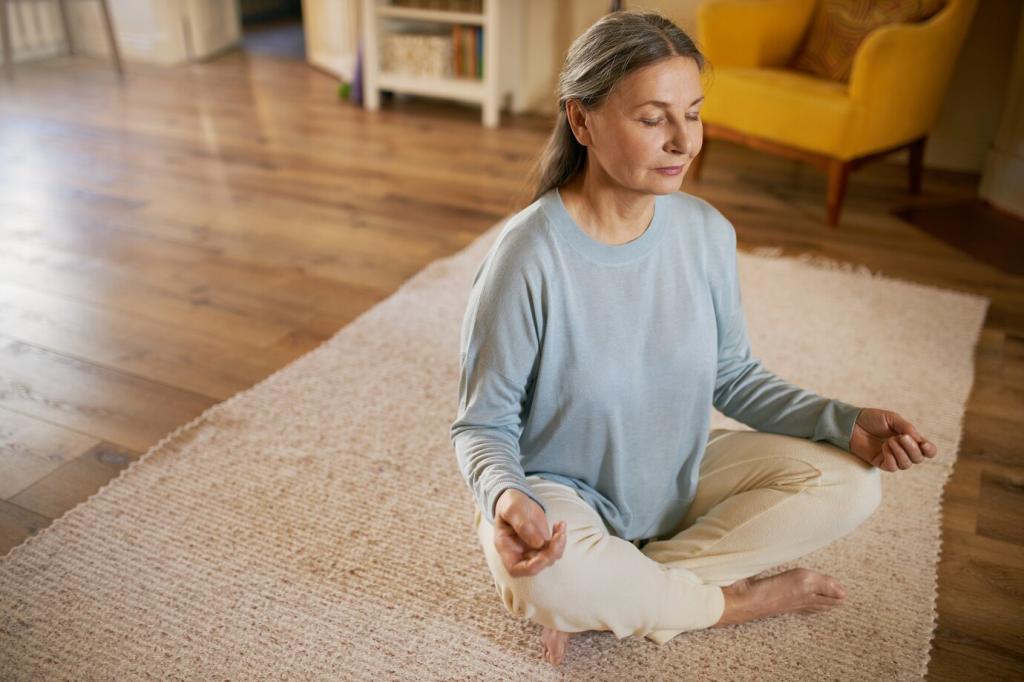
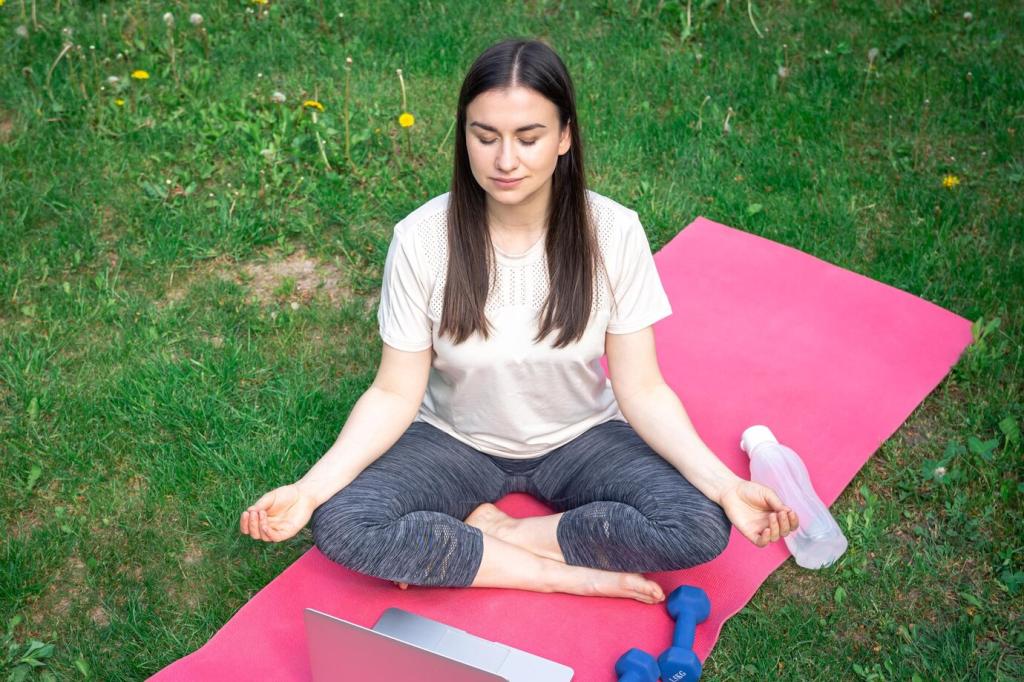
Sit cross-legged with a tall cushion under your sit bones so the knees settle downward. Place support under each knee if they hover. Keep the spine long and jaw soft. Try five minutes daily for a week, then share how your hips respond and what tweaks helped most.

Hands, Eyes, and Breath: Small Details, Big Impact

Rest hands on thighs, palms down for grounding or palms up for openness. Try a light circle of thumb and index finger without pinching. Shoulders drop when elbows rest naturally. Tell us which hand position calms you quickest, so we can create a beginner series around it.
A lowered gaze about a meter ahead reduces visual noise, while closed eyes can invite drowsiness or clarity depending on your energy. Experiment with both. If sleepiness wins, open the eyes slightly. Comment which choice keeps you most present during five-minute sits this week.
Let breath come and go without counting at first. Feel it at the nostrils, ribs, or belly—choose one anchor and rest attention there. If you sigh, great; your body is relaxing. Share your preferred anchor and we’ll send tailored practice tips in our weekly newsletter.

Common Struggles and Gentle Fixes

Shift weight slightly forward, change leg cross occasionally, or add height so knees drop. Short pauses to extend legs between sessions help circulation. Warm your ankles before sitting. Report after three days: which tweak made tingling fade fastest for you, and we’ll feature your insight.

Common Struggles and Gentle Fixes

Imagine your pelvis as a bowl tipping a sip forward. Lengthen the back of your neck and relax the front ribs. If fatigue returns, add seat height or try a chair. Share your before-and-after pictures or notes to encourage others who think posture comfort is impossible.

Build a Sustainable Routine

Two-Minute Starts and Calendar Anchors

Begin with two minutes after brushing your teeth, then add one minute each week. Consistency loves simplicity. Put a visible cushion where you cannot ignore it. Tell us your anchor habit, and we’ll send personalized prompts to keep your posture practice playful and consistent.

Warm-Up Stretches for Hips and Ankles

Before sitting, try gentle hip circles, ankle rolls, and a short forward fold with soft knees. Two minutes of mobility often prevents twenty minutes of fidgeting. Share your favorite warm-up move and we’ll compile a beginner-friendly sequence for our next posture-focused newsletter.

Reflect, Track, and Celebrate Small Wins

Keep a simple log: posture used, comfort level, and one sentence about mood. Notice patterns without judgment. Celebrate any sit completed. Post your weekly takeaway in the comments, and invite a friend to join—accountability quietly doubles the chances you’ll return to the cushion tomorrow.
Stephaniesaintcyr
Privacy Overview

This website uses cookies so that we can provide you with the best user experience possible. Cookie information is stored in your browser and performs functions such as recognising you when you return to our website and helping our team to understand which sections of the website you find most interesting and useful.